Clothing for the Port Chaplain
Choosing what outfit to wear while visiting a ship can sometimes be challenging, since each ship and terminal may require a different level of protective clothing. Let’s break down the common options.
1. Fire Resistant Clothing (FRC)
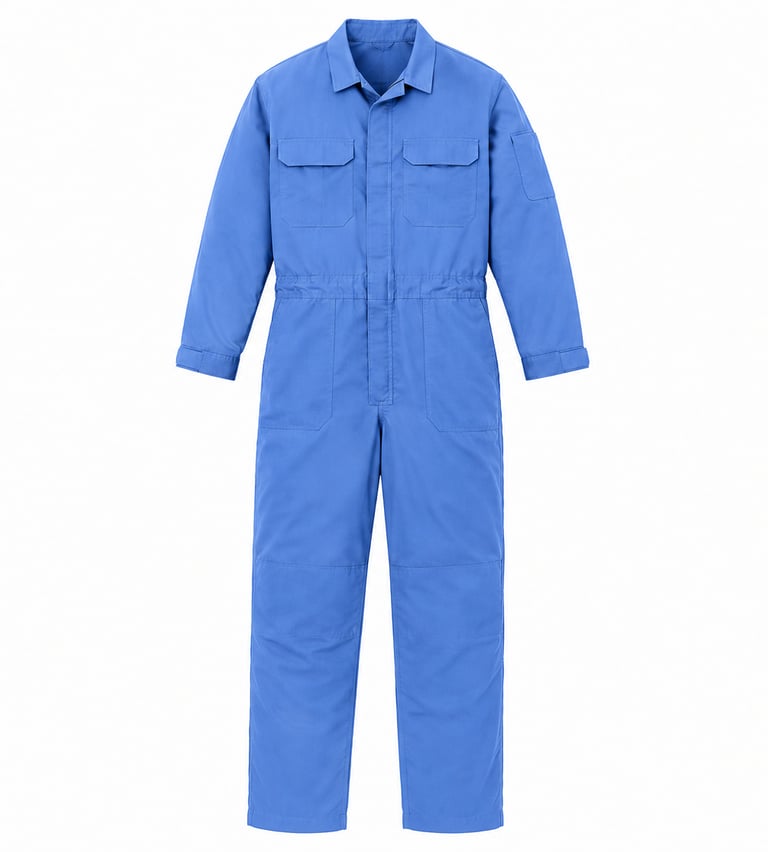
FRC clothing may consist of either full coveralls or a two-piece setup with a long-sleeve shirt and trousers. The clothing should carry a certification label such as:
NFPA 2112 — protection against flash fires
EN ISO 11612 — international standard for heat and flame protection
Some terminals and refineries may check for these labels before allowing entry.
Colors
The color of FRC clothing usually does not represent a universal safety rating. Colors such as light blue, navy, khaki, or tan are typically chosen by the company for branding or appearance. In many facilities, additional colored safety gear or vests may indicate specific roles or responsibilities.
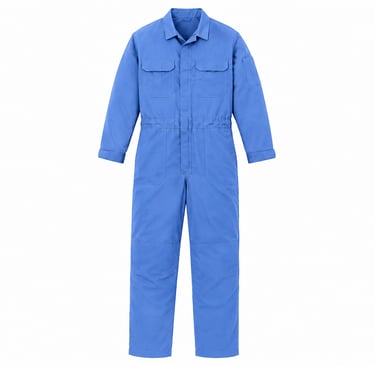
Coveralls
Coveralls are useful if you will be moving between areas that require FRC protection and areas that do not. They can easily be worn over your normal clothing and removed afterward. This flexibility is convenient for chaplains visiting multiple terminals in one day.
One downside is that traditional coveralls can become very hot, especially during the summer months. Nomex coveralls, however, are much lighter, thinner, and generally more comfortable while still providing fire-resistant protection.
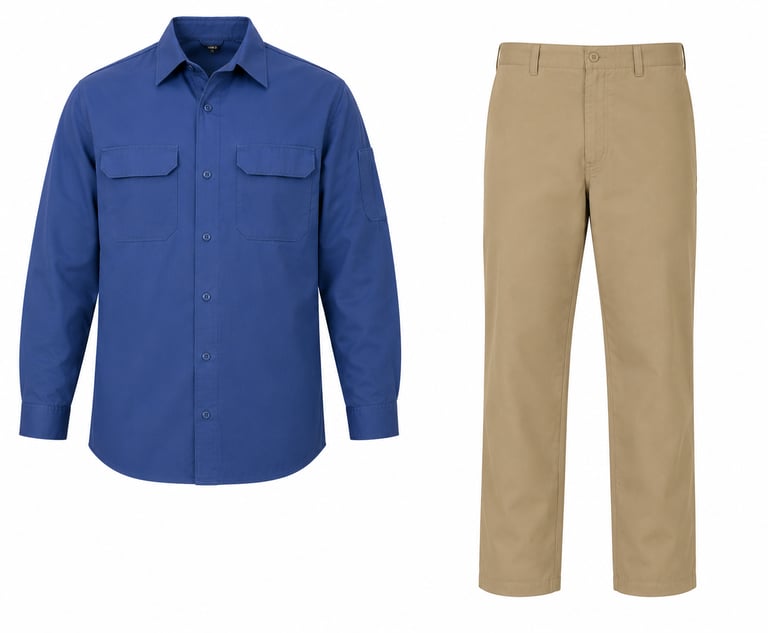
Two-Piece FRC Clothing
If you are only visiting areas where FRC clothing is consistently required, a two-piece setup is often more comfortable and practical. A long-sleeve FRC shirt paired with FRC trousers works well, provided both garments are properly labeled as fire resistant. Nomex material is again one of the lighter and more breathable options available.
2. Normal Work Clothing
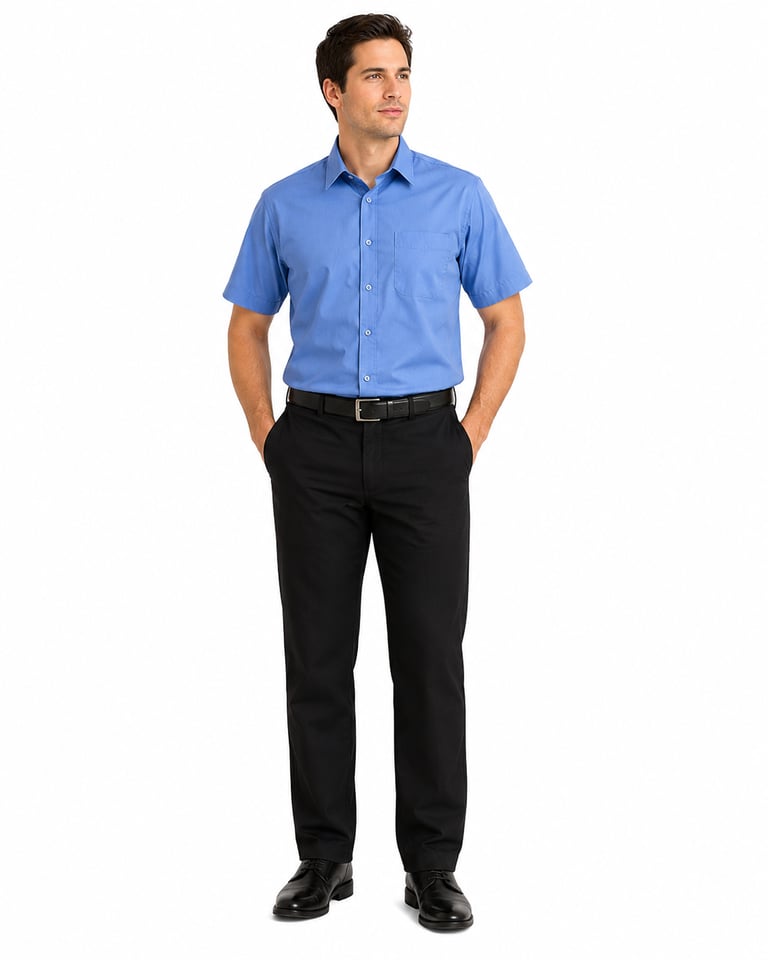
For many visits involving container ships, bulk carriers, and similar vessels, standard work clothing is acceptable.
Recommended clothing includes:
Long or short sleeve shirts
Trousers or work pants
No shorts
100% cotton is preferred whenever possible
Colors are usually based on your seafarer center, organization preference, or personal choice.
In many terminals, a high-visibility yellow safety vest is still required even when FRC clothing is not necessary.