Shoe wear for the Port Chaplain
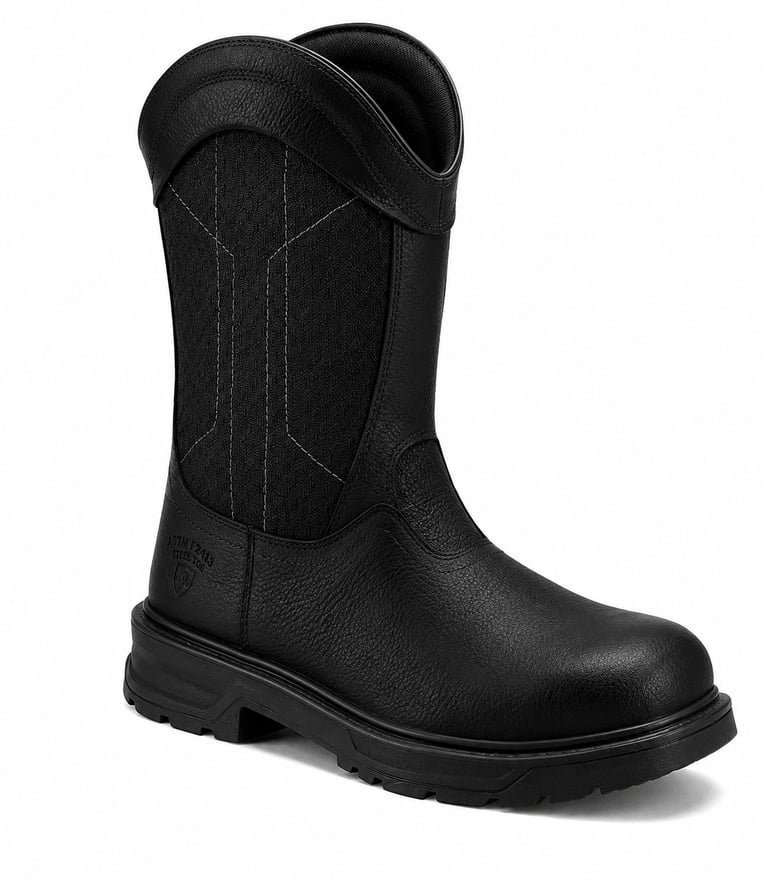
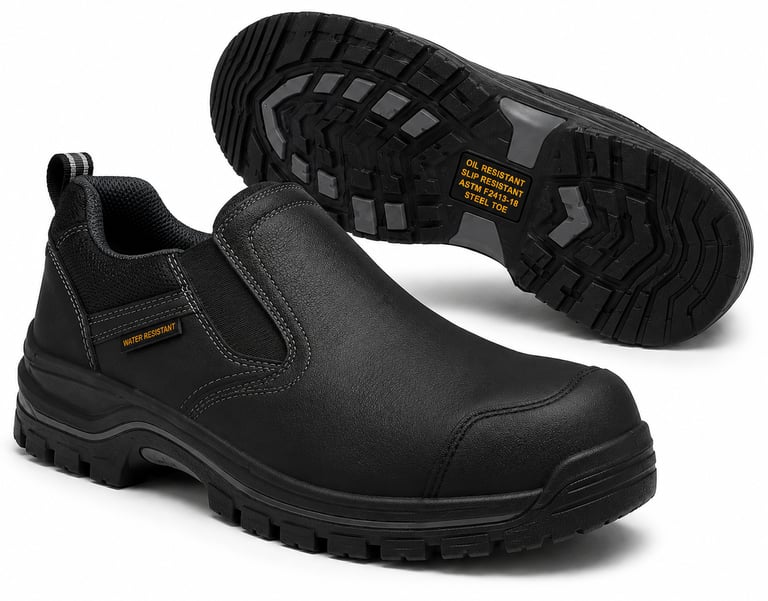
There are several different types of footwear to choose from when visiting ships and terminals. The type you select will depend on the terminal requirements, safety policies, and your personal preference.
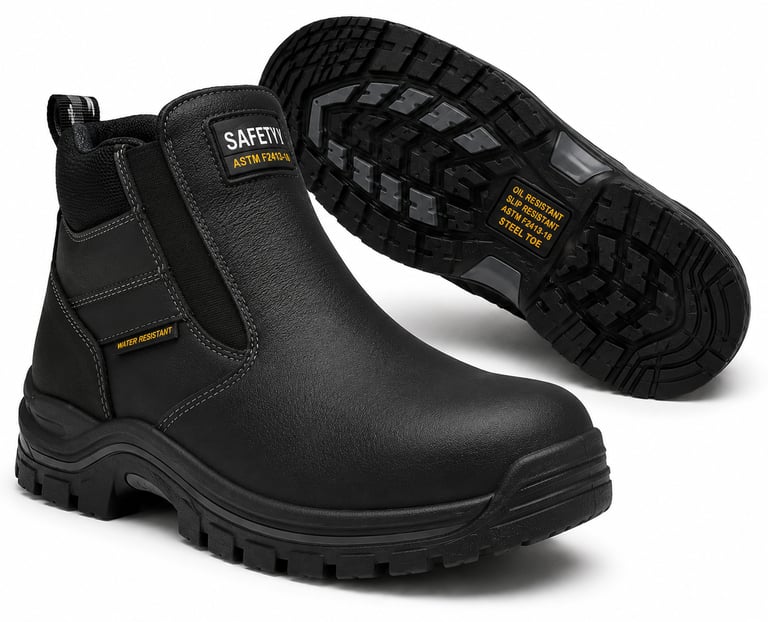
If a terminal requires ASTM safety standards, then steel toe or composite toe footwear is usually mandatory. A label inside the shoe or boot will indicate whether it meets the required ASTM standard.
Steel Toe Boots
Steel toe boots provide maximum durability and impact protection. They are widely used in industrial environments and are often preferred in heavy-duty terminals and refineries. Some facilities may even perform spot checks using a magnet to verify the presence of a steel toe cap.
Composite Toe Boots
Composite toe footwear is lighter in weight and made from non-metallic materials. They also provide better insulation against hot or cold temperatures. Although lighter and more comfortable for long periods of walking, they still meet equivalent ASTM safety standards.
Both steel toe and composite toe footwear provide excellent protection and are commonly accepted in port environments.
It is highly recommended to choose footwear with a defined heel. A proper heel provides better stability and grip while climbing ship gangways and ladders. The raised sole can also help keep your feet above standing water, mud, and chemicals commonly found around terminals and docks. Shoes with no lace might be a requirement and is a good idea.
As for choosing between:
Full boots - Heaviest but full protection
Half boots - Medium weight, half protection
Low-cut safety shoes - lightest with lowest protection
The decision usually comes down to terminal requirements, weather conditions, and personal comfort preference.